Shot Blasting Machine Safety Operation Guidelines
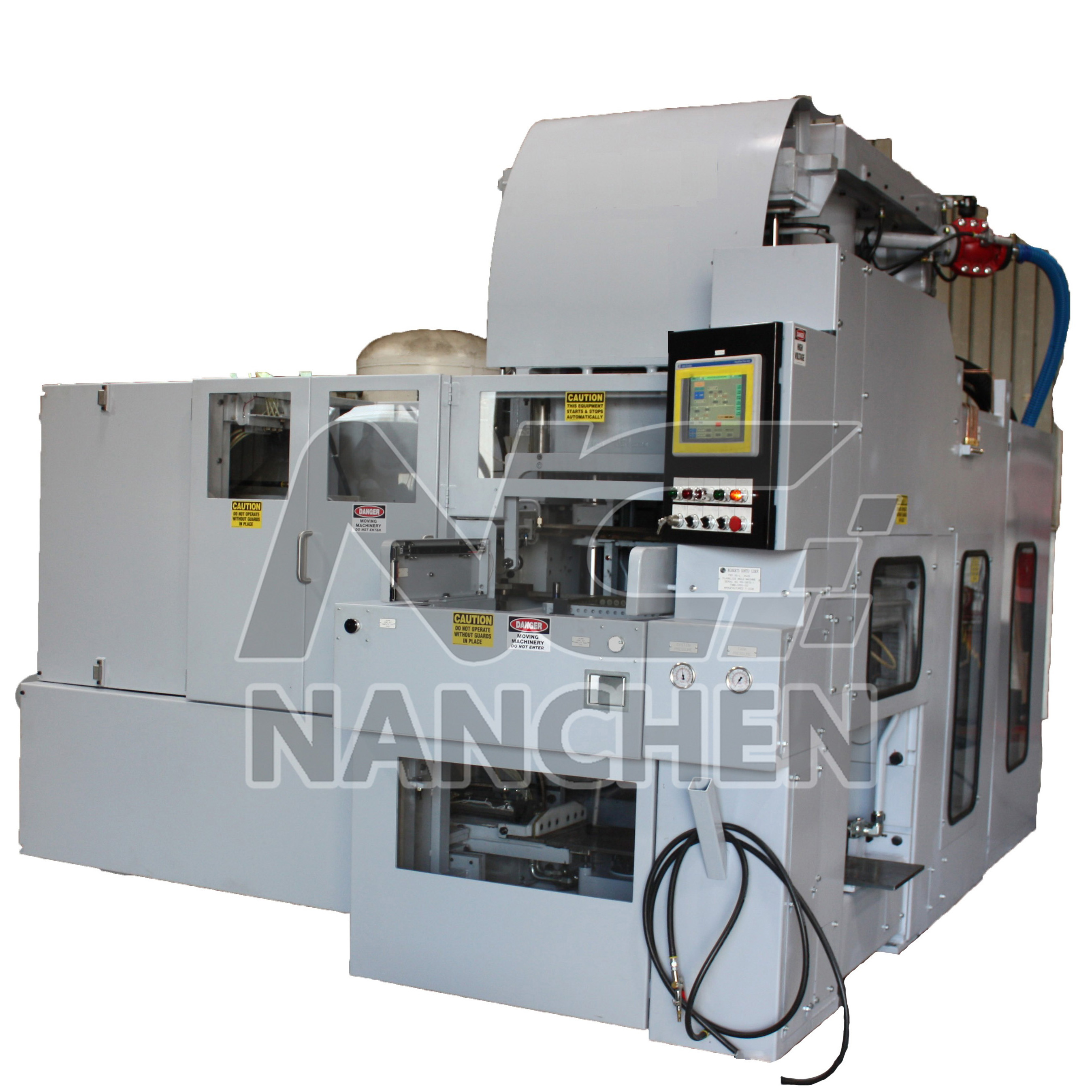
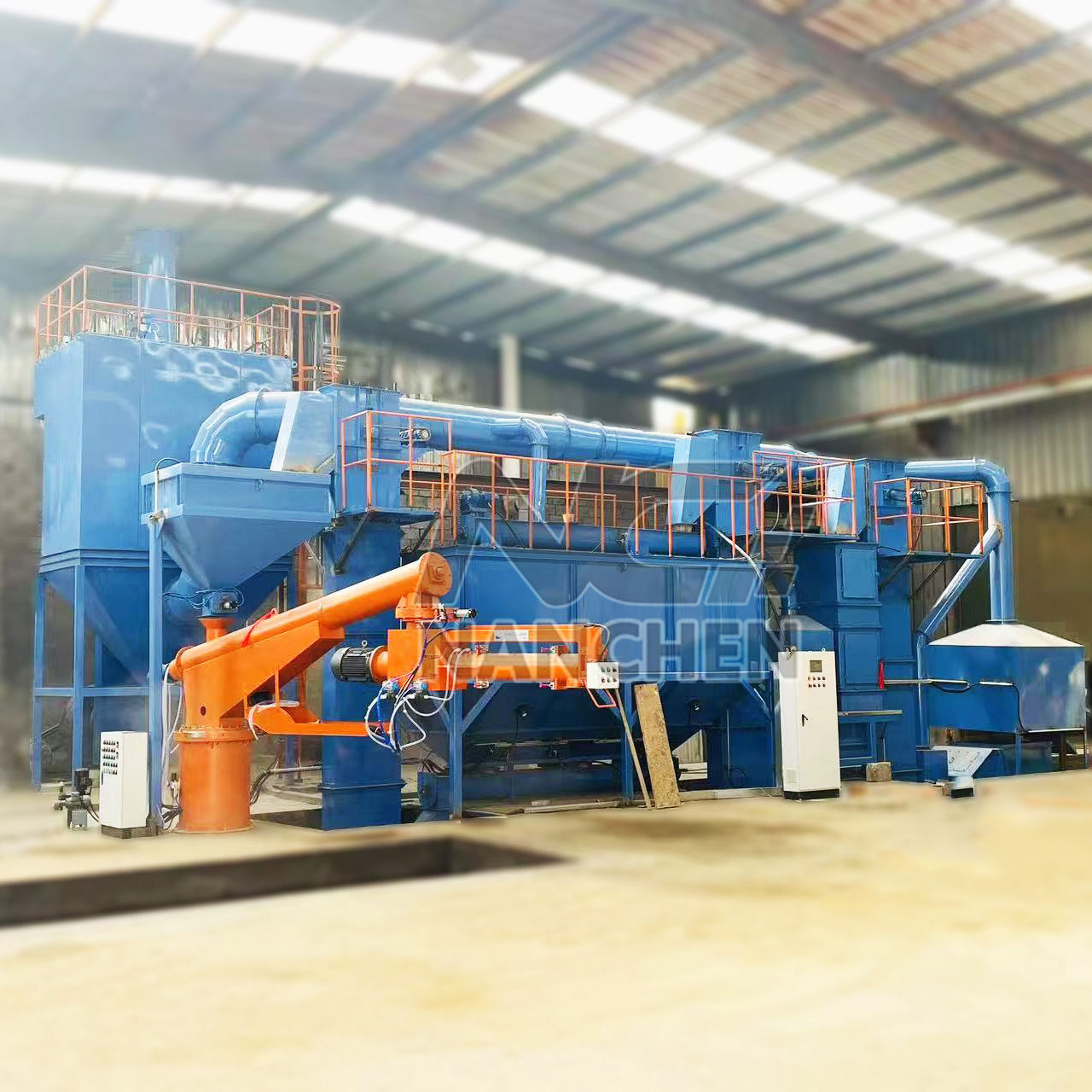
Shot blasting machines use high-speed abrasive shots to impact workpiece surfaces for cleaning or strengthening purposes. During operation, they involve high-speed rotating components, high-pressure airflow, and large quantities of moving abrasive media. Improper operation may result in equipment damage or severe personal injury. This document outlines the core safety operation points for shot blasting machines, serving as a reference for operators and management personnel.
I. Pre-Operation Preparation
1. Personnel Requirements
Implement a fixed-machine fixed-operator system with position-specific training and certification. Operators must receive professional training, become familiar with the equipment structure, performance, and operating procedures, and pass the assessment before being authorized to operate. Unauthorized personnel are strictly prohibited from operating the machine.
2. Personal Protective Equipment (PPE)
Before operation, wear dust-proof masks, impact-resistant goggles or face shields, abrasion-resistant gloves, work uniforms, and anti-slip work shoes. Loose-fitting clothing and slippers are strictly prohibited during operation. Long hair must be fully tucked into the work cap to prevent entanglement in moving components.
3. Equipment Inspection
Before startup, verify that fastening bolts, transmission lubrication, and core wear parts such as shot blasting wheels are in normal condition. Confirm that electrical wiring and grounding protection are intact, and that safety guards and interlock devices are functional. Ensure an adequate shot supply with no caking or foreign matter, and remove any residual foreign objects from the blast chamber.
4. Site Confirmation
Evacuate all non-essential personnel from the work area. Confirm that the blast chamber door and access doors are fully closed and locked. After verification, start the equipment in the prescribed sequence.
II. Operational Prohibitions
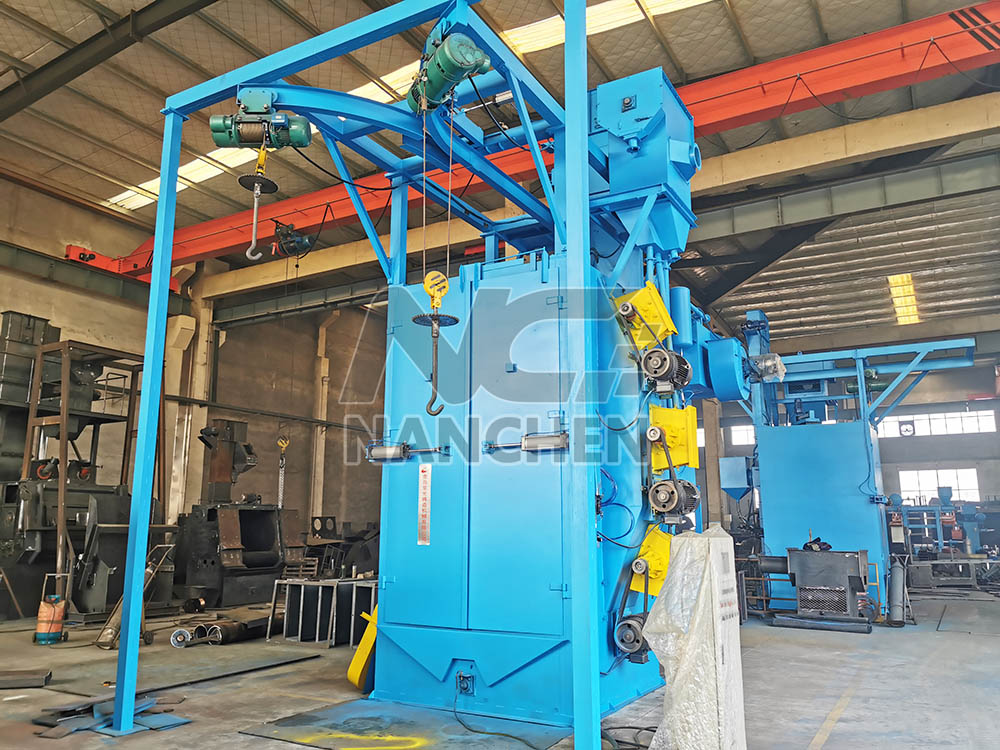
1. Strictly prohibited from opening doors for inspection: Never open the blast chamber door or access ports during operation. Never insert any part of the body into the equipment interior.
2. Strictly prohibited from manual intervention: Do not manually adjust or measure workpieces, nor perform lubrication, cleaning, or wiping of the equipment during operation.
3. Strictly prohibited from overloading: Strictly adhere to the rated load capacity for hanging workpieces. Hooks must be securely clamped.
4. Strictly prohibited from bypassing safety devices: Do not remove, short-circuit, or disable safety interlocks, emergency stop buttons, or protective guards.
5. Strictly prohibited from climbing or leaning: During equipment operation, do not climb, step on, or lean against the machine body. Do not place any items on top of the equipment.
6. Strictly prohibited from entering hazardous areas: When the equipment is running, do not approach the blast chamber drive or discharge areas. Do not cross under the conveyor line path of suspended workpieces.
7. Strictly prohibited from operating under unsafe conditions: Do not operate the equipment while fatigued, under the influence of alcohol, or after taking medication that may impair judgment. Do not start the equipment when it is malfunctioning, when protective curtains are damaged, when the chamber is leaking shot, or when the dust collection system is faulty.
III. Emergency Response
1. Scenarios Requiring Immediate Emergency Stop:
Abnormal noise or severe vibration from the equipment;
Abnormal temperature rise in motors or bearings;
Abnormal instrument parameter readings;
Smoke emission or burning odor from the equipment;
Workpiece jamming, shot clogging, or unexpected door opening;
Personal injury or shot media flying out.
2. Emergency Response Procedures:
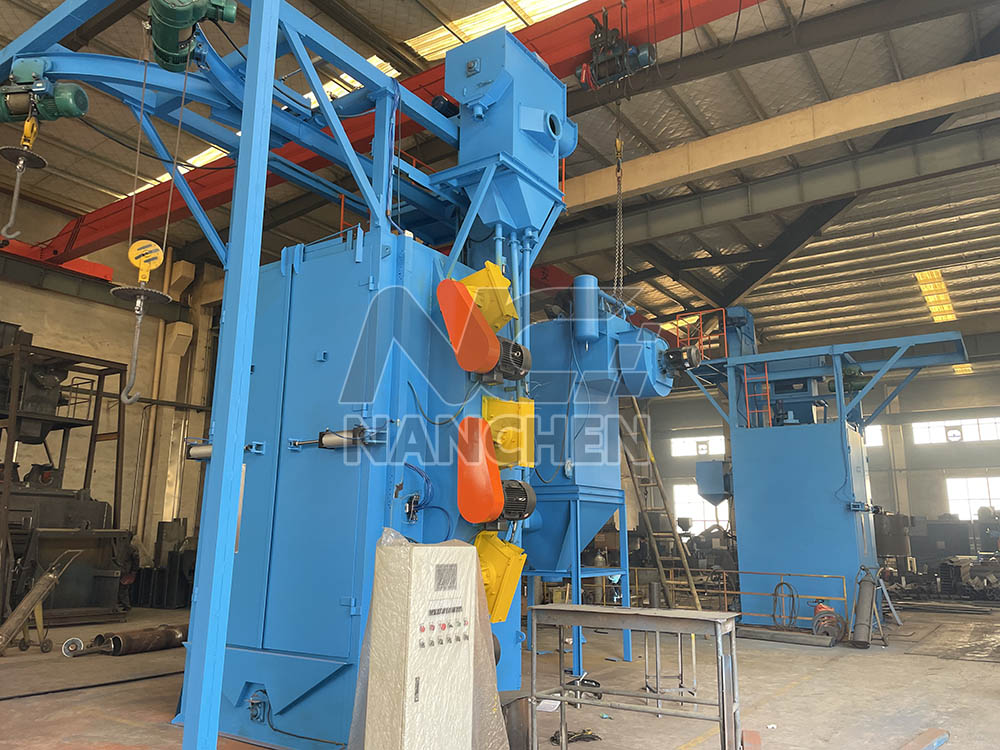
Immediately press the emergency stop button. After the equipment has come to a complete stop, disconnect the main power supply.
Do not open the chamber door immediately after an emergency stop. Allow 3–5 minutes for residual shot to fully settle before conducting any inspection.
Report the fault promptly. Unauthorized personnel are strictly prohibited from disassembling the machine or performing repairs while the equipment is energized.
During maintenance, post a "DO NOT CLOSE" warning tag on the power switch and comply with lockout/tagout (LOTO) procedures.
IV. Post-Shutdown Confirmation
1. Standard Shutdown Procedure:
First close the shot supply valve. After the blasting wheel has fully stopped and the shot has been completely recovered, sequentially shut down the circulation system and the dust collection system, and finally cut off the main power supply.
2. Site Cleaning:
Clean up scattered shot and dust. Keep the floor dry, clean, and tidy.
3. Equipment Inspection:
Inspect wear parts for abrasion and seals for integrity. Maintain proper maintenance records.
4. Shutdown Management:
When the equipment is under maintenance or out of service for an extended period, post warning signs. Strictly implement the shift handover system, clearly communicating equipment operating status, abnormalities, and precautions.
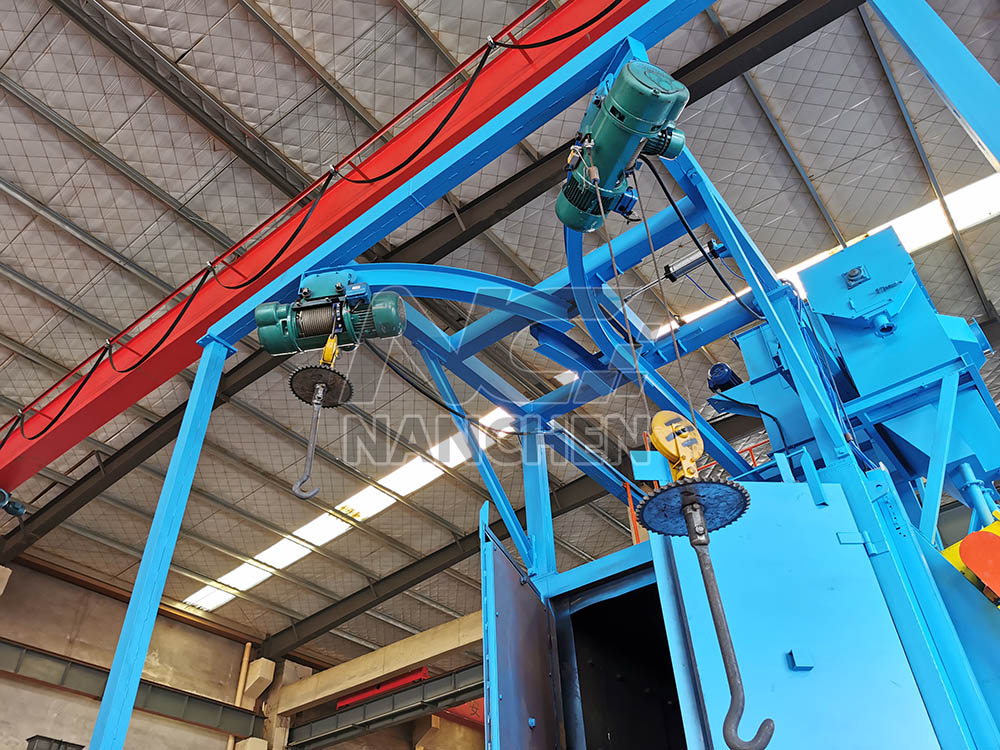
V. Equipment Safety Protection Design
Qingdao Nanchen consistently prioritizes safety as a core element of equipment design. The entire range of shot blasting machines is equipped with multiple protection mechanisms: door-access safety interlocks that immediately force-power-off the blasting wheel in the event of an unexpected door opening; fully accessible emergency stop devices that can be triggered within a 3-meter radius; system operation interlocks that prevent subsequent equipment from starting if preceding systems are abnormal; and PLC intelligent monitoring that automatically triggers alarms and shutdowns when operating parameters deviate from normal—fundamentally reducing operational risks at the hardware level.
Safety is the lifeline of production. Qingdao Nanchen is not only committed to providing high-quality, highly reliable shot blasting equipment, but also continuously delivers standardized safety operation guidelines and full-lifecycle maintenance services to our users. We hope that every operator will strictly adhere to the operating procedures, making the shot blasting machine a safe, efficient, and stable production partner.