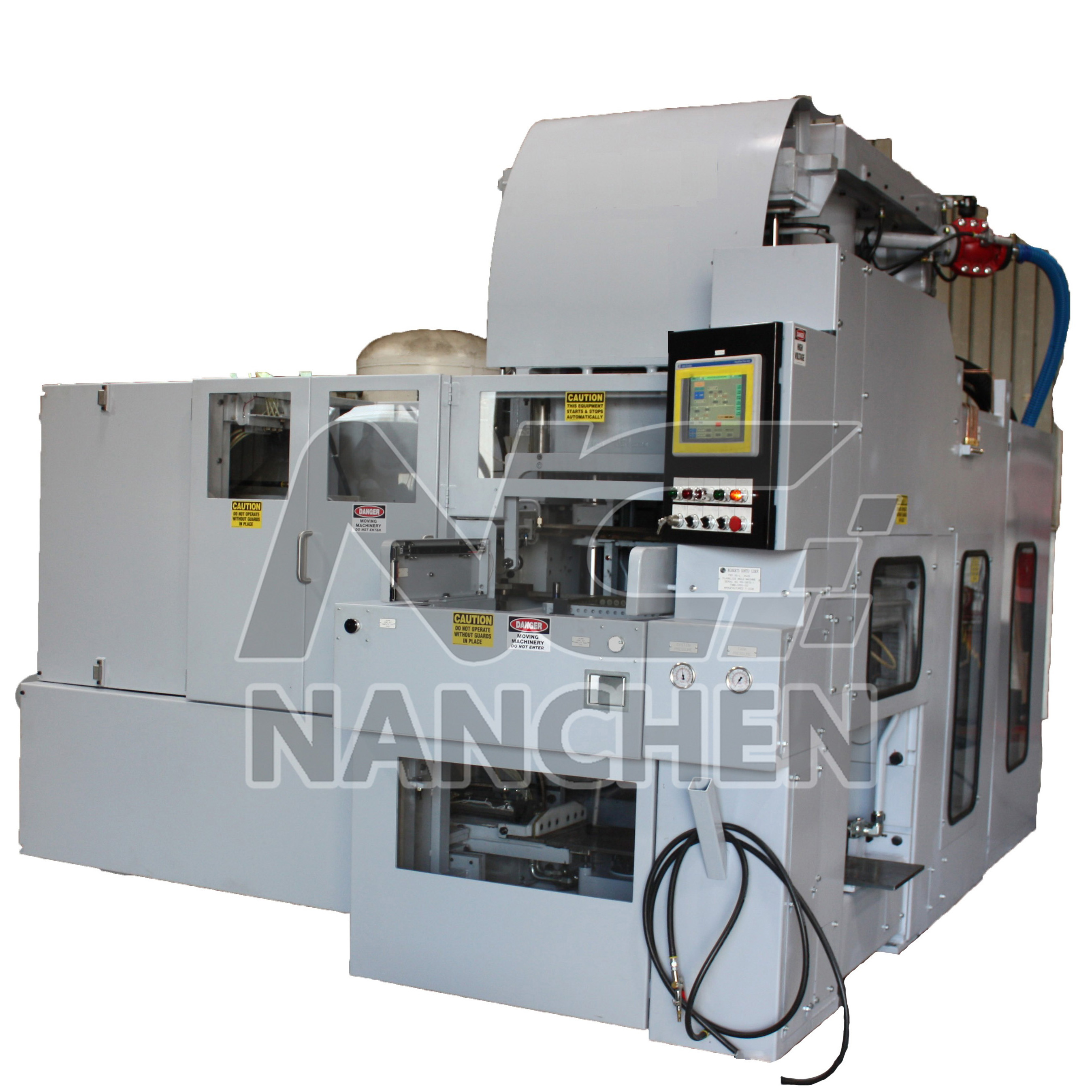
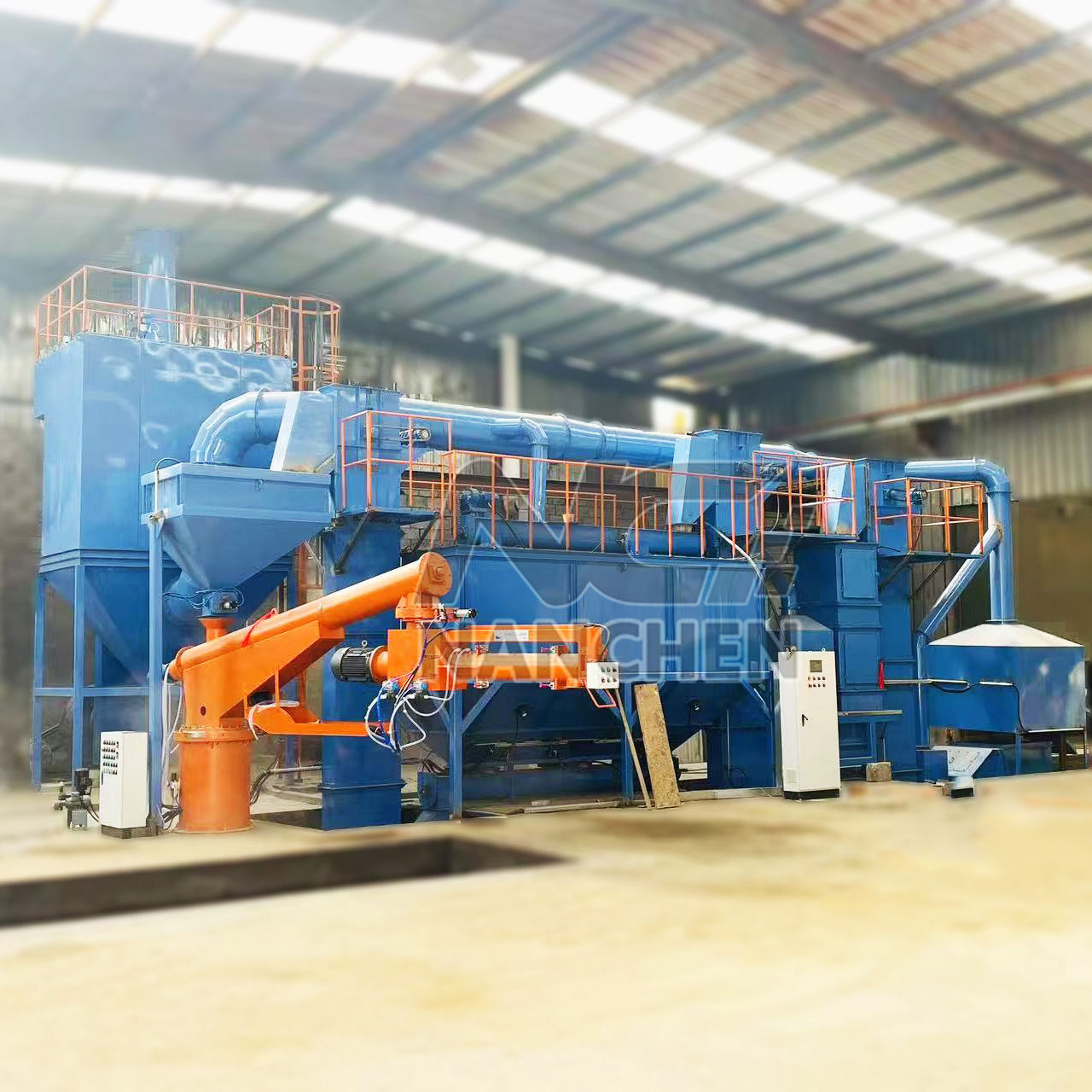
Hot Box Core Shooter Safety Operation Specifications and Precautions
The hot box core shooter operates on a heating and curing principle, with mold surface temperatures reaching 200–300°C. It involves three major hazard sources: high-temperature burns, high-pressure gas, and moving parts. Statistics show that over 70% of industrial accidents in foundry workshops result from improper operation. This article systematically outlines the core specifications and key precautions for safe production with hot box core shooters.
I. Pre-shift Preparation: Three Checks and Three Confirmations
A. Three Checks
1.Check protective equipment: Properly wear safety helmets, safety glasses, dust masks, and safety footwear. Tuck long hair into the helmet, fasten cuffs, and strictly prohibit loose clothing, slippers, or jewelry during work.
2.Check equipment status: Confirm that the emergency stop button is reset, air and oil line connections are free of leaks, the heating system operates normally, and temperature controllers display accurate readings.
3.Check work environment: Clean up floor oil stains, standing water, and scattered sand; ensure fire extinguishing equipment is in place and effective; verify the ventilation and dust extraction system is running normally; and confirm that no combustible debris is present in high-temperature areas.
B. Three Confirmations
1.Confirm the shift's process parameters, including mold type, heating temperature, shooting pressure, curing time, and other core parameter standards.
2.Confirm that the mold is securely installed and properly locked, and verify correct alignment of mold opening/closing and upper/lower mold matching.
3.Confirm that key parameters such as air pressure and temperature are set within the process standard ranges.
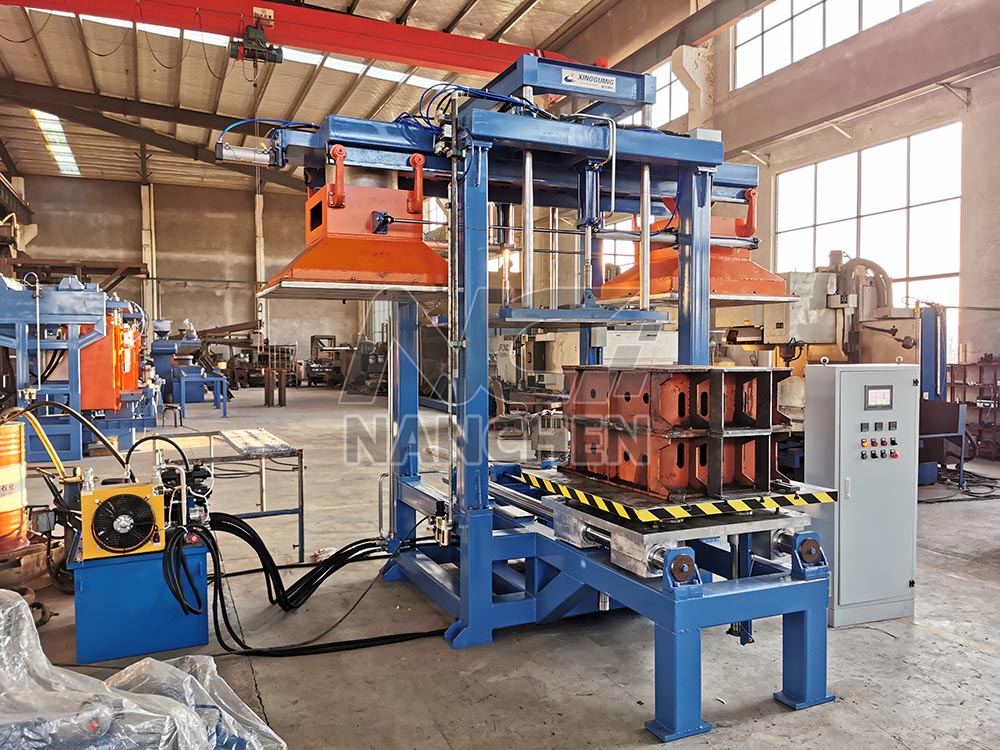
II. Operation Process: Four Prohibitions and Three Mandatory Requirements
A. Four Prohibitions
1.Strictly prohibit reaching hands into the mold clamping area while the equipment is running.
2.Strictly prohibit servicing air lines or the shooting system while under pressure.
3.Strictly prohibit unauthorized bypassing or disabling of safety interlock devices.
4.Strictly prohibit cleaning shooting nozzle sand buildup while the equipment is running.
B. Three Mandatory Requirements
1.Must use dedicated core tongs for placing and removing cores to prevent high-temperature burns.
2.Must first press the emergency stop upon any abnormal equipment alarm. Forced resetting is prohibited; production may resume only after the fault is cleared.
3.Must shut off the main power switch and main air supply valve at the end of each shift, and clean the equipment before handing over to the next shift.
III. Equipment Maintenance and Servicing Safety Precautions
A. High-temperature Operation Protection
When replacing heating tubes or cleaning molds, disconnect power and cool down to below 80°C, and wear heat-resistant gloves. Implement a two‑person system (one operator, one observer) and post warning signs in the work area.
B. Electrical Safety
Strictly prohibit washing the electrical control cabinet or heating elements with water. Disconnect power and allow cooling before wiping.
C. Dust Management
Clean equipment and surrounding dust at least once per shift, maintain good ventilation, and prevent dust combustion or explosion.
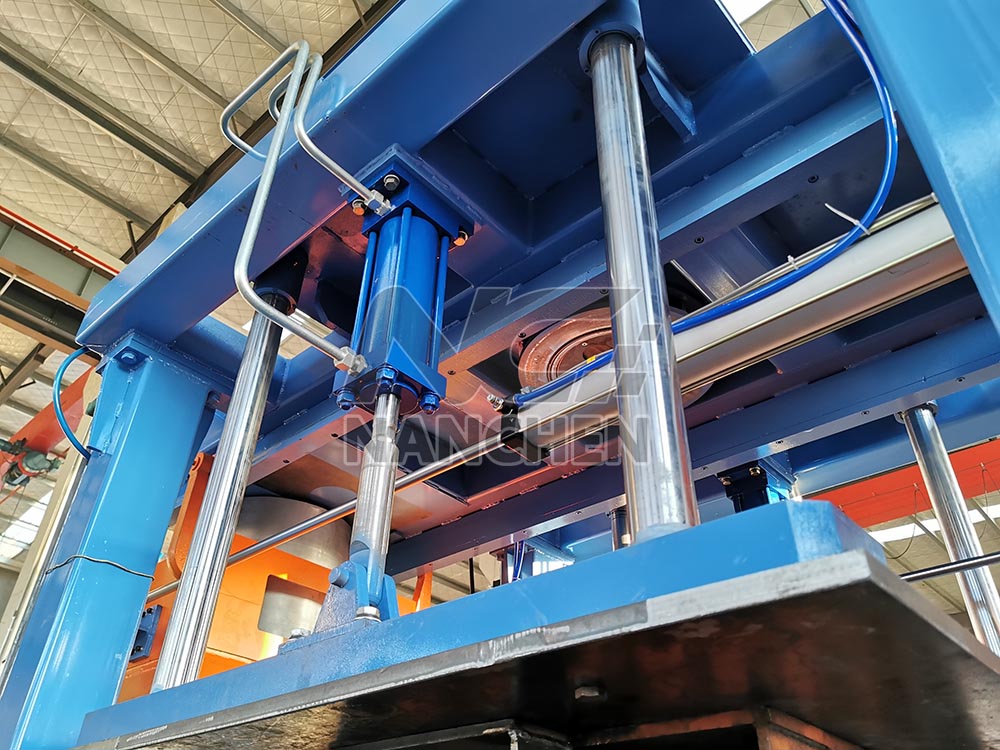
IV. Emergency Response Procedures
A. Equipment Jam, Smoke, or Abnormal Noise
Immediately press the emergency stop and disconnect power, step back at least one meter from the equipment, and report the incident. Do not attempt to pry or force‑restart the machine.
B. Compressed Air Line Burst
Close the main air supply valve. Do not plug the leak with hands. Warn nearby personnel to keep clear.
C. Core Stuck in Mold
Do not use metal tools to forcefully pry it out. Switch to manual jog mode and have the issue handled by qualified personnel.
D. Heating System Over‑temperature Alarm
Press the emergency stop and disconnect power. Inspect the temperature controller, thermocouple, and heating tubes. Do not restart until the fault is resolved.
Safety specifications are the minimum requirement for on‑site operations, and every rule is backed by real accident lessons. The high‑temperature environment of hot box core shooters demands even greater adherence to operating standards. Standardized procedures not only ensure safety but also underpin stable equipment performance and consistent product quality.
If you have any questions regarding the safe operation of hot box core shooters or require a customized safety training program for your workshop, please feel free to contact us for consultation.