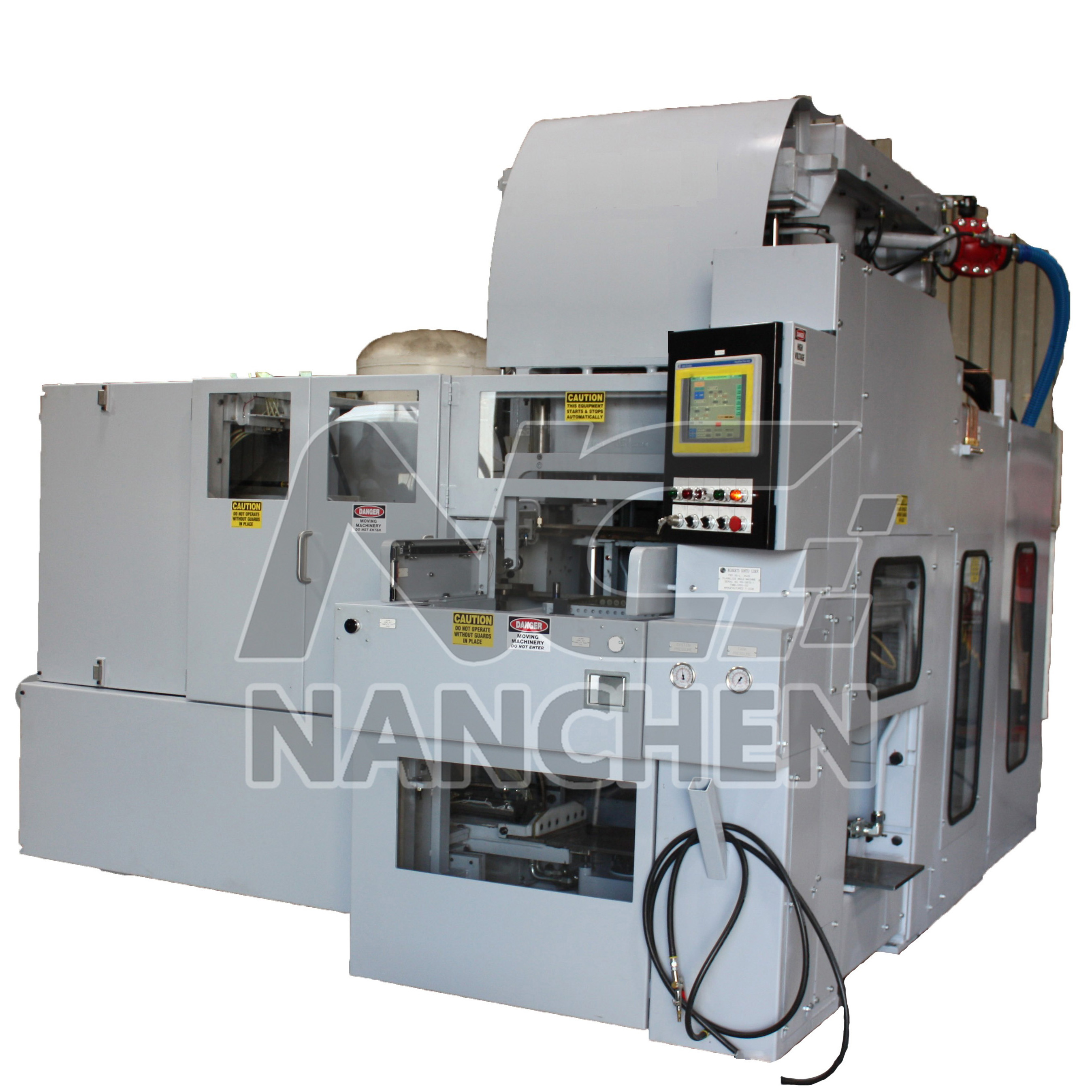
Core Shooting Machine Summer Maintenance Guide
High temperature, high humidity and frequent rainfall in summer lead to a high incidence of failures for core shooting machines. High temperature tends to cause excessive oil temperature, lubrication failure and electrical component aging; humidity easily results in water accumulation in pneumatic circuits, damp circuits and mold rusting. To ensure stable equipment operation and reduce rejection rate and shutdown risks, key points for special summer maintenance of core shooting machines are sorted out as follows:
I. Pneumatic System Maintenance
1. Check cylinders, pneumatic pipelines and valves before startup each shift to ensure no air leakage and flexible movement.
2. Drain accumulated water and air from pipelines daily before startup; increase drainage frequency to once per shift in summer.
3. Inspect air-water filter regulator each shift. Drain water promptly when excessive water accumulates, and clean and dry the filter screen once clogged.
4. Regularly remove condensed water from solenoid valves and pipelines to avoid spool jamming and malfunction.
II. Hydraulic System Maintenance
1. Strictly control oil temperature; the normal operating temperature shall be maintained between 30℃ and 55℃. Shut down the machine for inspection if the temperature exceeds 60℃.
2. Regularly remove limescale and dust from coolers and pipelines to guarantee unobstructed heat dissipation.
3. Check the condition of hydraulic filter elements and replace them in a timely manner to prevent temperature rise caused by blockage.
4. For equipment with high oil temperature, install a forced cooling device to maintain thermal balance
5. Routinely inspect oil pipes and sealing parts to eliminate oil leakage caused by high-temperature aging.
III. Electrical System Maintenance
1. Carry out special electrical inspections every 2–3 weeks to identify overheating, abnormal noise, burning smell and discoloration.
2. Fully tighten wiring terminals, with emphasis on main circuits and high-current lines to prevent burnout due to poor contact.
3. Keep electrical cabinets dry and airtight; keep cabinet doors closed except during maintenance.
4. Regularly blow off dust on circuit boards with dry compressed air.
5. Inspect contactor contacts and earthing protection to ensure safe and stable electrical operation.
IV. Heating and Cooling System Maintenance
1. Regularly test the insulation performance of heating tubes, remove scale timely and replace aged components.
2. Calibrate temperature controllers to realize precise and controllable mold temperature in line with process requirements.
3. Check the patency of cooling water circuits and replace coolant regularly to ensure cooling performance.
4. Clean accumulated sand on the shooting head and vent plugs each shift, and spray release agent on sand-adhesion-prone positions of the shooting nozzle.
V. Moving Mechanical Component Maintenance
1. Keep guide pillars, guide bushes, lead screws and guide rails clean without accumulated sand.
2. Check the oil level of oil mistors daily and replenish oil when insufficient.
3. Switch to high-temperature-resistant grease in summer, and shorten the lubrication cycle by 30%.
4. Fill all kinematic pairs with lubricating oil and grease uniformly every week.
5. Regularly inspect equipment bolts and fasteners; tighten them immediately once looseness is found.
VI. Overall Equipment Cleaning and Maintenance
1. End-of-shift work: Remove accumulated sand from the shooting head, vent plugs and gate plates; coat gate plates with graphite powder to reduce wear.
2. Complete overall machine cleaning every day to keep the equipment surface and working platforms free of residual sand and dust.
3. Regularly inspect the shooting screen; clean it timely if clogged and replace it immediately if damaged.
4. When the equipment is out of service for a long time, completely empty the internal precoated sand to prevent caking caused by moisture and equipment jamming.
The core of summer maintenance for core shooting machines is prevention of high temperature, moisture, water accumulation and scaling. Implementation of regular and standardized summer maintenance can effectively reduce equipment failures, stabilize sand core quality, extend equipment service life and support continuous and efficient production in foundry workshops.